

The short answer? It depends on your business. While every marketing expert will tell you that every business needs a website, the reality is more nuanced. Some businesses thrive without traditional websites, while others cannot survive without them.
The reality is more nuanced. Some businesses thrive without traditional websites, while others cannot survive without them.
Let us cut through the noise and give you an honest assessment of whether your small business needs a website in 2026, what the alternatives are, and how to make the right decision for your specific situation.
When You Definitely Need a Website
Certain types of businesses absolutely must have a website to compete effectively. If your business falls into any of these categories, stop reading and start building your website today.
E-commerce Businesses
If you sell products online, you need a website. Period. While you can sell through Amazon, Facebook Marketplace, or other platforms, having your own website gives you control over the customer experience and keeps you from paying hefty platform fees on every sale.
Service Businesses with Complex Offerings
If you provide services that require explanation, comparison, or customization, a website is essential. Think lawyers, accountants, contractors, consultants, or medical practices. Potential customers need detailed information to make informed decisions about hiring you.
Businesses Targeting Younger Demographics
Millennials and Gen Z expect businesses to have professional websites. If your target customers are under 45, not having a website can seriously hurt your credibility and cost you customers who will not take your business seriously.
Businesses with Online Competitors
If your competitors have websites and you do not, you are at a significant disadvantage. Customers will comparison shop online, and businesses without websites often lose to those with professional online presences.
When You Might Not Need a Website
However, some businesses can succeed without traditional websites, especially if they leverage other digital tools effectively.
Simple Local Service Businesses
If you provide straightforward services to local customers, you might be able to get by with just a Google Business Profile and social media. Think house cleaning, dog walking, lawn care, or food delivery. Customers understand what you do and just need your contact information and reviews.
Businesses with Strong Referral Networks
If most of your customers come from word-of-mouth referrals, you might be able to skip the website initially. However, even referred customers often look you up online to verify legitimacy, so this approach has limitations.
Businesses Just Starting Out
If you are testing a business idea or just starting out, you can temporarily rely on free alternatives while you validate your concept. Once you prove demand for your services, invest in a proper website.
Alternatives to Traditional Websites
If you decide against a full website, here are the alternatives that can provide some of the same benefits.
Google Business Profile
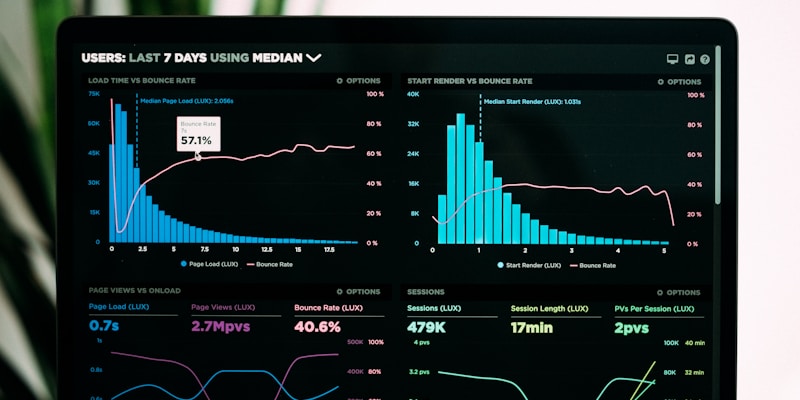
Your Google Business Profile is essentially a free mini-website that appears in Google search results and Maps. You can add photos, business hours, contact information, services, and even posts about special offers. For many local businesses, this provides enough online presence to get started.
The major limitation is that you do not control this platform. Google can change the features or suspend your profile at any time. You also cannot track detailed analytics or customize the experience.
Social Media Business Pages
Facebook, Instagram, and LinkedIn business pages can serve as simple websites for some businesses. They allow you to share photos, post updates, interact with customers, and provide basic business information. Social media works especially well for businesses targeting younger demographics or those in visual industries.
The downside is that you are building your presence on someone else's platform. Algorithm changes can drastically reduce your reach, and these platforms are designed to keep users on the platform rather than directing them to contact you.
One-Page Landing Pages
Services like Linktree, Carrd, or even simple WordPress landing pages can provide a basic web presence without the complexity of a full website. These work well for businesses that just need to display contact information, services, and maybe a few photos.
The Hidden Costs of Not Having a Website
Before you decide to skip the website, consider these potential costs:
Lost Credibility
Studies show that 75% of consumers judge a business's credibility based on its website design. Without a website, you automatically lose credibility with a significant portion of potential customers.
Missed SEO Opportunities
Websites are crucial for search engine optimization. Without a website, you cannot rank for most search terms related to your business. You are essentially invisible to customers searching for your services online.
Limited Customer Information
Websites allow you to capture customer information through contact forms, newsletter signups, and analytics. Without this data, it is much harder to understand your customers and improve your marketing.
No Control Over Your Online Presence
When you rely entirely on third-party platforms, you are at their mercy. Facebook could suspend your page, Google could change how Business Profiles work, or algorithm updates could kill your organic reach.
When you rely entirely on third-party platforms, you are at their mercy.
What Makes a Website Worth the Investment
If you decide you need a website, focus on these essential elements that provide real business value:
Clear Contact Information
Make it incredibly easy for potential customers to contact you. Include your phone number, email, address (if applicable), and contact form prominently on every page.
Service or Product Descriptions
Clearly explain what you do, who you serve, and why customers should choose you. Use plain language and focus on customer benefits rather than features.
Social Proof
Include customer testimonials, reviews, case studies, or certifications. Social proof is often the deciding factor for potential customers.
Mobile Optimization
Over 60% of local searches happen on mobile devices. Your website must work perfectly on smartphones and tablets.
Budget-Friendly Website Options
If you decide you need a website but are concerned about cost, consider these options:
DIY Website Builders
Platforms like Wix, Squarespace, or WordPress.com allow you to create professional-looking websites for $10 to $30 per month. These work well for simple business websites that do not require complex functionality.
Simple WordPress Sites
A basic WordPress website with hosting can cost as little as $100 to $500 upfront, plus $10 to $20 per month for hosting. This gives you more control and customization options than website builders.
Professional Design
If you want a custom website that truly represents your brand and converts visitors into customers, expect to invest $2,000 to $10,000. While this seems expensive, a well-designed website often pays for itself through increased leads and sales.
A well-designed website often pays for itself through increased leads and sales.
Making the Right Decision for Your Business
Here is a simple framework to help you decide:
Start with a Website if:
- You sell products online
- You provide complex services that need explanation
- Your target customers are under 45
- Your competitors have websites
- You want to rank in Google search results
Consider Alternatives if:
- You provide simple local services
- Most customers come from referrals
- You are just testing a business idea
- Budget is extremely tight
Remember, this is not a permanent decision. You can start with a Google Business Profile and social media, then invest in a website as your business grows and you have more resources.
Need Help Deciding?
Still not sure whether your business needs a website? We offer free consultations to help you understand your options and make the right choice for your specific situation.
Get Your Free Consultation →